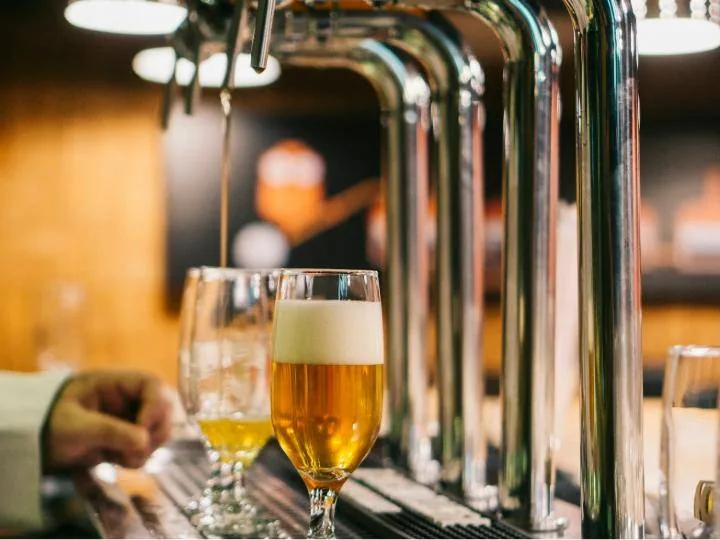
Chrome draft beer taps with a freshly poured glass of beer

Same-Day Kegerator Repair in Monsey, NY

Warm beer, a glass full of foam, or a CO2 tank that empties overnight? We provide same-day kegerator repair in Monsey, NY for built-in and freestanding draft beer coolers, single taps and multi-tap towers. Our phone line is open 24 hours, and a kegerator that stops cooling the day before a simcha gets emergency priority. Searching for kegerator repair near me? We're close by.

36–38°FWhere most draft beer pours best. Warmer than that, and the foam takes over.

What Is Your Kegerator Doing?

Kegerator not cooling, pouring foam or going flat? Pick the problem that fits. You'll see the usual causes, a safe check to try first, and how soon to call.

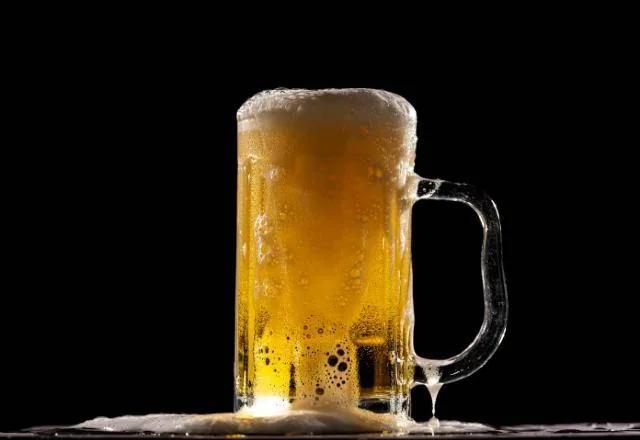
Beer mug overflowing with foam on a dark background

The kegerator is not cooling

Same day

What's likely going on

  • Condenser coils or vents are packed with dust, so heat can't get out.
  • Thermostat or temperature sensor has failed or was bumped to a warmer setting.
  • Fan or start relay has stopped, so the compressor can't do its job.
  • Door gasket is torn, or the door isn't closing around the keg.

Try this first

  • Check the thermostat setting and that the vents aren't blocked.
  • Put a glass of water in the cooler for a few hours, then check it with a thermometer.

Kegerator not cooling the day before a simcha? Tell us when you call and we'll do our best to get there first.

Call (845) 792-8746
Every glass comes out foamy

Same day

What's likely going on

  • Beer is too warm anywhere from the keg to the faucet. This is the most common cause.
  • Tower isn't being cooled, so the first pours foam up.
  • CO2 pressure is set too high for the beer.
  • Beer line is kinked, dirty or the wrong length.

Try this first

  • Open the faucet all the way, fast. A half-open tap foams.
  • Don't turn the pressure up to fix it. That makes foam worse.

Foam with a cold keg usually points to the tower, the line or the regulator, and it's often a one-visit fix.

Call (845) 792-8746

The beer pours flat

Book a visit

What's likely going on

  • CO2 tank is empty or the valve is closed.
  • Regulator is set too low or has failed.
  • Coupler isn't seated on the keg, or its seal is worn.
  • Beer is kept colder than it should be.

Try this first

  • Check the tank's gauge and make sure the tank valve is fully open.
  • Look at the regulator gauge and compare it with the pressure you normally use.

Flat beer isn't urgent, but a tank that keeps running out fast may mean a leak. See the CO2 tab.

Call (845) 792-8746

Nothing comes out of the tap

Same day

What's likely going on

  • Keg is empty, or the coupler isn't engaged.
  • CO2 is off or the tank is empty.
  • Beer line has frozen because the cooler is set too cold.
  • Faucet is stuck with dried beer.

Try this first

  • Lift the keg slightly to check its weight, and make sure the coupler handle is pushed down.
  • If the cooler feels icy, turn it a little warmer and wait an hour.

Frozen lines mean the cooler is running too cold, which often points to a thermostat problem.

Call (845) 792-8746

The CO2 tank keeps running out

Call now

What's likely going on

  • Regulator is leaking at its seals or gauge.
  • Gas line is cracked, or a clamp has slipped.
  • Coupler or keg seal is worn and lets gas escape.
  • Tank valve is leaking at the threads.

Try this first

  • Close the tank valve, open a window, and step away if you hear a steady hiss.
  • Brush soapy water on the fittings. Bubbles show you where the leak is.

CO2 is heavier than air and can build up in a closed space. Shut the tank and call our 24-hour line.

Call (845) 792-8746

Beer tastes sour, stale or soapy

Book a visit

What's likely going on

  • Beer line has buildup from skipped cleanings.
  • Faucet and coupler need a full take-apart cleaning.
  • Glasses were washed with regular soap and kept a film.
  • Keg has been tapped too long and the beer has gone stale.

Try this first

  • Clean the line, faucet and coupler with a beer line cleaner.
  • Rinse glasses well and let them air dry.

Still off after a cleaning? We can replace worn lines and parts. For other drink fridges, see beverage center repair.

Call (845) 792-8746

Every Kind of Draft Beer Cooler We Fix

From a single-tap unit in the basement to a built-in tower at the home bar, our draft beer cooler repair covers the cooling side and the tap side.

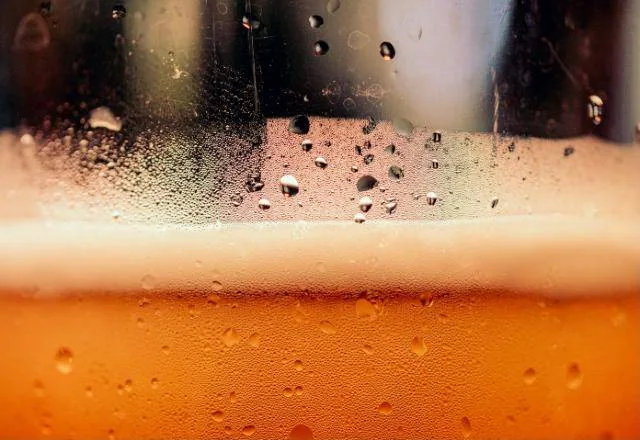
Close-up of a cold glass of draft beer with a foam head and water drops

Built-In Undercounter

Fits under the bar and vents out the front. We fix front fans, grilles and the tower that sits on the counter.

Freestanding Single Tap

The classic kegerator on wheels. Many calls are warm beer, foam and worn couplers.

Dual and Triple Tap

More taps means more lines, faucets and regulators to keep balanced. We tune each one.

Outdoor Kegerators

Outdoor-rated units for patios and outdoor kitchens. Heat and weather wear them out faster.

Converted Fridges

A fridge or freezer turned into a kegerator. We repair the cooling side and the tap side.

Tower and Lines

Our beer tap system repair covers faucets, shanks, tower fans and the lines inside.

Three Numbers Behind a Good Pour

Most foam, flat beer and off taste comes back to these three. Check them before you call, and we'll check them again when we arrive.

36–38°F

Keg temperature

The range most draft beer is kept at, all the way from the keg to the faucet.

12–15psi

CO2 pressure

A common setting for most ales and lagers. Lower for softer beers, higher for fizzier ones.

2weeks

Line cleaning

Clean the beer line every two weeks, and with every keg change.

Don't fix foam with pressureTurning the CO2 up makes foam worse. Warm beer is the usual cause.

Let a new keg restGive a fresh keg about a day in the cooler before you tap it.

Keep the tower coldA warm tower turns the first glass into foam. Most towers have a fan or a cold air line.

Follow the Beer: What We Check on Every Visit

Gas pushes beer through seven stops on its way to your glass. Our beer tap system repair tests each one, along with the cooling parts that keep the whole path cold.

Inside the cooler

CO2 tank

Holds the gas that pushes the beer. We check the fill, valve and threads.

On the tank

Regulator

Sets the pressure. A bad gauge or seal means foam, flat beer or leaks.

Tank to keg

Gas line

Cracks and loose clamps let CO2 escape. We test every fitting.

On the keg

Coupler

Taps the keg. Worn seals leak gas or beer.

In the cold box

Keg and cooling

We confirm the keg is at 36 to 38 degrees and the cooling holds it there.

Keg to tower

Beer line

Kinks, buildup or the wrong length cause foam and off taste.

On the counter

Tower and faucet

We check the tower cooling, the shank and the faucet for leaks and sticking.

Hear a hiss near the tank? Close the CO2 tank valve, open a window, and call us. A leaking regulator or gas line can empty a tank overnight.

Call (845) 792-8746

What Affects the Cost of Kegerator Repair

Tap-side fixes are usually small. Cooling-side repairs cost more. Here's how they compare. You'll hear the exact price before we start.

Smaller repairs

Tap-side fixes, often in one visit.

  • Faucet rebuild
  • Coupler seals
  • Gas or beer line
  • Door gasket

Mid-size repairs

Common parts we can get quickly.

  • Regulator
  • Thermostat or sensor
  • Condenser or tower fan
  • Start relay

Larger repairs

Cooling-side work.

  • Compressor
  • Sealed-system leak and recharge
  • Control board

Other things that change the price

  • Which part failed
  • Built-in or freestanding
  • Number of taps
  • Tower cooling setup
  • Part availability

There is a service call fee for the visit and diagnosis. We tell you the amount on the phone, before we book.

Repair or replace?

Most kegerator problems are on the tap side: a regulator, coupler, faucet or line. Those are quick, low-cost fixes. If the cooling system fails on an older freestanding unit, we'll compare the repair with a new one before any work starts.

Ready for a Simcha or a Kiddush

Kegerators work hardest when the house is full. A little planning keeps the beer cold and the pour clean.

Tap it a day early

Put the keg in the cooler the day before. If it's still warm by morning, call us early so there's time to fix it.

Pour the first one off

The first glass after a few quiet hours sits in a warmer tower. Pour it off and the rest come out clean.

Between kegs

Clean the line with every keg change. If the kegerator will sit empty for weeks, unplug it and prop the door so it stays fresh.

Before you call: our fridge and freezer tips cover safe first checks and simple care. You may also need grill repair and appliance installation.

Six Ways to Keep Every Pour Clean

Simple habits that prevent many kegerator calls.

Clean the line

Every two weeks, and every time you change the keg. It's the biggest fix for off taste.

Rest new kegs

Let a fresh keg sit in the cooler about a day before you tap it.

Set it and leave it

Keep the keg at 36 to 38°F and the pressure steady. Constant changes cause foam.

Clear the vents

Vacuum the grille or back coils twice a year so the cooler can shed heat.

Check the tank

Close the CO2 valve when the kegerator won't be used for a while.

Use beer-clean glasses

Rinse well and air dry. Soap film flattens the head and dulls the taste.

Kegerator Repair Questions

Straight answers to what Monsey families ask about draft beer at home.

Kegerator warming up?

Keep the door shut and call our 24-hour line. We'll give you the soonest time we have.

Call (845) 792-8746

Why is my kegerator not cooling?

The most common causes are dusty condenser coils or blocked vents, a bad thermostat or sensor, a failed fan or start relay, or a door that isn't sealing. We test each one on the first visit.

Why is my kegerator pouring all foam?

Warm beer is the top cause, anywhere from the keg to the faucet. A warm tower, CO2 pressure set too high, or a kinked or dirty line can also cause it. Turning the pressure up makes it worse.

What temperature should a kegerator be?

Most draft beer is kept between 36 and 38 degrees, all the way from the keg to the faucet.

What CO2 pressure should I use?

Many ales and lagers pour well at about 12 to 15 psi. Lower-carbonation beers use the low end and fizzier beers the high end. Stouts on a nitrogen blend need a different setup.

How often should I clean my beer lines?

Every two weeks, and with every keg change. Skipped cleanings let buildup grow in the line, which causes sour or stale flavors.

Why does my CO2 tank run out so fast?

Usually a leak at the regulator, gas line, coupler or tank valve. Close the tank, brush soapy water on the fittings to find bubbles, and call us to replace the part.

Can you fix a converted fridge kegerator?

Yes. We repair the cooling side, like the thermostat, fans and sealed system, and the tap side, like the regulator, coupler, lines and faucet.

How much does kegerator repair cost?

Tap-side repairs like a faucet, coupler seal or line are usually small. Cooling-side repairs like a compressor cost more. There is a service call fee for the visit, and you get the full price before any work starts.

Do you repair built-in and outdoor kegerators?

Yes. We repair built-in undercounter kegerators, outdoor-rated units, freestanding models and multi-tap towers.

Is a CO2 leak dangerous?

CO2 is heavier than air and can build up in a small, closed room. If you hear a steady hiss, close the tank valve, open a window, and call us.

Cold Beer, Clean Pour, Fixed Today

Same-day kegerator repair in Monsey, NY and nearby towns, for built-in, freestanding and multi-tap draft beer coolers.

Call (845) 792-8746
Call now24-hour emergency line(845) 792-8746